EUR €
EUR € 
Creative comfort finds a unique expression with bonrush in modern lifestyles
- Creative comfort finds a unique expression with bonrush in modern lifestyles
- The Allure of Tactile Experiences and Sensory Design
- The Role of Natural Materials
- Curating a Personalized Aesthetic: Beyond Minimalism
- The Power of Layering and Collected Objects
- The Importance of Rituals and Intentional Living
- Creating Sacred Spaces in the Home
- The Connection Between Interior Design and Mental Wellbeing
- Expanding the Concept: Bonrush as a Holistic Lifestyle Approach
Creative comfort finds a unique expression with bonrush in modern lifestyles
In a world increasingly driven by convenience and personal expression, the desire for comfortable, yet unique living experiences is on the rise. This is where the concept of bonrush finds its resonance. It’s about embracing a lifestyle that doesn’t demand rigid adherence to trends, but instead encourages the intentional curation of spaces and moments that truly reflect individual preferences. From the textures in one’s home to the rhythm of daily routines, modern lifestyles are being reshaped by a pursuit of authentic comfort and joyful living.
This shift isn’t simply about acquiring possessions; it’s about thoughtfully choosing elements that contribute to a sense of well-being and personal fulfillment. There’s a growing awareness of the impact our surroundings have on our mental and emotional state, leading individuals to prioritize quality, sustainability, and meaningful design. Consequently, brands and designers are responding with innovative solutions that cater to this burgeoning desire for a more holistic and personalized approach to life, exemplified by the evolving aesthetic and philosophy of bonrush.
The Allure of Tactile Experiences and Sensory Design
The modern home is no longer just a shelter; it’s a sanctuary crafted to stimulate the senses and provide a refuge from the demands of the outside world. This emphasis on sensory experience is a core tenet of the bonrush philosophy. It's not just about what things look like, but how they feel, smell, and even sound. Think about the luxurious weight of a well-made linen, the comforting aroma of a natural beeswax candle, or the gentle texture of a hand-woven rug. These details, often overlooked in the past, are now integral to creating a truly inviting and relaxing ambiance. Interior design is becoming increasingly focused on layering textures – combining smooth surfaces with rougher, more organic materials – to create depth and visual interest. This interplay appeals to our inherent need for a connection with the natural world.
The Role of Natural Materials
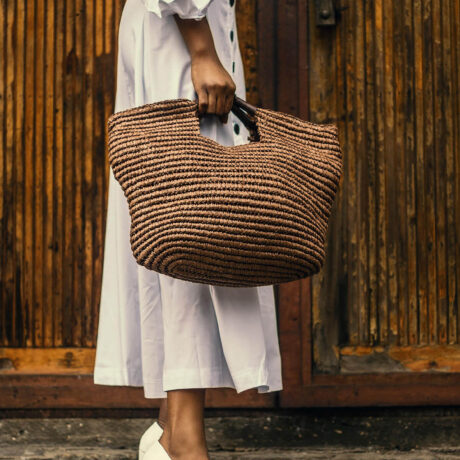
Central to this emphasis on tactile experience is the use of natural materials. Wood, stone, cotton, wool, and linen are all favoured for their inherent beauty and organic qualities. These materials not only add visual warmth and texture, but they also contribute to a healthier indoor environment. They are often more sustainable and biodegradable than synthetic alternatives, aligning with a growing consumer awareness of environmental responsibility. Moreover, natural materials possess a unique ability to age gracefully, developing a patina over time that adds character and tells a story. Choosing pieces crafted from such materials is an investment in long-lasting comfort and style, embodying the permanence and quality central to a considered lifestyle.
| Material | Characteristics |
|---|---|
| Linen | Breathable, durable, becomes softer with each wash |
| Wool | Naturally fire-resistant, insulating, hypoallergenic |
| Wood | Warm, versatile, sustainable when sourced responsibly |
| Stone | Durable, grounding, adds a sense of permanence |
Moving beyond purely aesthetic considerations, the incorporation of natural materials is increasingly tied to a desire for authenticity and a rejection of mass-produced items. Individuals are actively seeking out handcrafted goods and pieces with a unique provenance, valuing the skill and artistry that goes into their creation. This reflects a broader cultural shift towards a more mindful and intentional way of living, prioritizing quality over quantity.
Curating a Personalized Aesthetic: Beyond Minimalism
While minimalism enjoyed a period of significant popularity, the current trend moves beyond strict austerity towards a more nuanced and personalised approach to interior design. The bonrush aesthetic doesn’t shy away from colour, pattern, or ornamentation – it simply advocates for a more thoughtful and deliberate selection of these elements. It’s about surrounding oneself with objects that evoke positive emotions, tell a story, or spark joy. Unlike the often stark and clinical aesthetic of minimalism, this approach feels warmer, more inviting, and more authentically reflective of the individuals who inhabit the space. The goal isn’t to eliminate possessions, but to curate a collection that feels both cohesive and personal.
The Power of Layering and Collected Objects
A key element of this curated aesthetic is layering. This involves combining different textures, colours, and patterns to create depth and visual interest. It can be achieved through the use of rugs, throws, cushions, artwork, and personal collections. The inclusion of collected objects – pieces acquired over time through travel, inheritance, or simply a careful eye for unique finds – adds a sense of history and personality to a space. These objects serve as conversation starters and reminders of cherished memories, transforming a house into a home. The thoughtful arrangement of these elements is crucial; the aim is to create a space that feels both comfortable and visually stimulating, reflecting the individual’s unique story and perspective.
- Embrace eclectic combinations of colours and patterns.
- Prioritise quality over quantity in your selections.
- Incorporate personal collections and mementos.
- Don’t be afraid to experiment with different textures.
- Focus on creating a space that feels authentic to you.
This approach to design acknowledges that a home is not a static entity, but a constantly evolving reflection of its inhabitants. It encourages a fluid and adaptable aesthetic, allowing for personal style to develop and change over time. It's about creating a space that feels lived-in and loved, rather than perfectly styled and static.
The Importance of Rituals and Intentional Living
The bonrush lifestyle extends beyond the physical environment to encompass a broader philosophy of intentional living. It recognizes the importance of establishing daily rituals and routines that promote well-being and a sense of groundedness. This could involve anything from brewing a cup of tea in the morning to practicing mindfulness or spending time in nature. These small, intentional acts can have a significant impact on overall happiness and resilience. In a world that often feels overwhelming and chaotic, carving out time for these rituals can provide a much-needed sense of stability and calm.
Creating Sacred Spaces in the Home
Creating dedicated spaces for specific activities can further enhance this sense of intentionality. This could involve setting up a reading nook, a meditation corner, or a home office designed to promote focus and productivity. These “sacred spaces” provide a physical and mental separation from the distractions of daily life, allowing for deeper engagement with desired activities. The design of these spaces should be carefully considered, incorporating elements that promote relaxation, inspiration, or focus, depending on their intended purpose. Soft lighting, comfortable seating, and natural elements are all effective in creating a calming and inviting atmosphere. These dedicated spaces are a tangible expression of a commitment to self-care and personal growth.
- Identify activities that bring you joy and promote well-being.
- Designate specific spaces for these activities.
- Incorporate elements that support the desired mood and atmosphere.
- Establish regular rituals and routines.
- Protect these spaces and times from distractions.
Ultimately, the goal is to cultivate a lifestyle that feels both meaningful and fulfilling, prioritizing experiences over possessions and fostering a deeper connection with oneself and the surrounding world. This involves being mindful of how one spends their time, energy, and resources, and making choices that align with their values and priorities.
The Connection Between Interior Design and Mental Wellbeing
The impact of our physical surroundings on our mental health is a rapidly growing area of research. Studies have shown that spaces that are cluttered, poorly lit, or lacking in natural elements can contribute to feelings of stress, anxiety, and depression. Conversely, environments that are well-designed, comfortable, and aesthetically pleasing can promote relaxation, creativity, and overall well-being. The principles of bonrush – prioritizing natural materials, thoughtful curation, and intentional living – are all directly aligned with creating spaces that support mental and emotional health.
The careful selection of colours, lighting, and textures can all have a profound effect on our mood and cognitive function. For example, blues and greens are often associated with calmness and tranquility, while warm hues like yellows and oranges can be stimulating and energizing. Natural light is essential for regulating our circadian rhythms and boosting serotonin levels, which play a crucial role in mood regulation. By intentionally designing spaces that cater to our psychological needs, we can create environments that not only look beautiful but also actively contribute to our overall well-being.
Expanding the Concept: Bonrush as a Holistic Lifestyle Approach
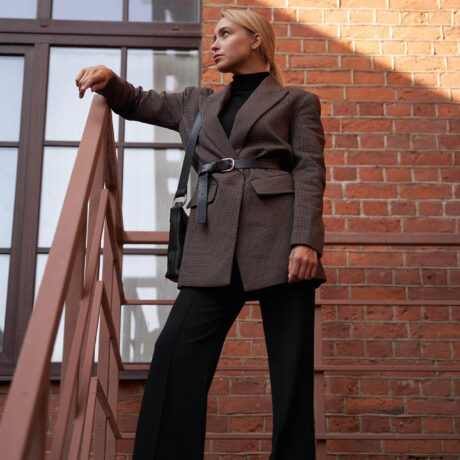
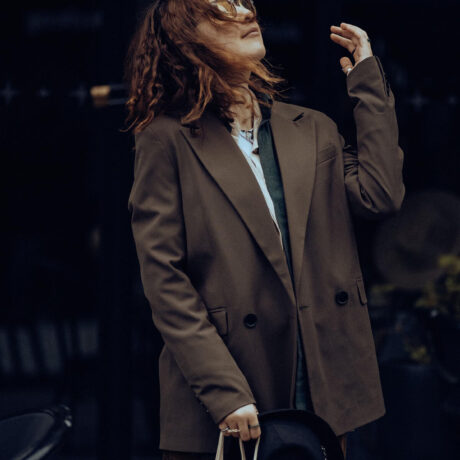
The principles of bonrush aren’t confined to the home; they can be applied to all aspects of life. Consider the mindful approach to fashion, where quality, durability, and ethical production are valued over fast fashion trends. Or the conscious consumption of food, prioritizing local, seasonal ingredients and supporting sustainable agriculture. The underlying theme is a rejection of excess and a commitment to making informed choices that align with personal values. A small design firm in Copenhagen, for example, has started offering “lifestyle audits” to clients, helping them identify areas where they can incorporate these principles into their daily routines. The audit includes an assessment of the client’s home environment, wardrobe, and spending habits, with recommendations for creating a more sustainable and fulfilling lifestyle.
Ultimately, bonrush represents a shift in perspective, moving away from a culture of constant consumption and towards a more mindful and intentional way of living. It’s about finding joy in the simple things, cultivating meaningful connections, and creating a life that feels authentic and aligned with one’s values. It's a continuous journey of self-discovery and refinement, guided by a desire for comfort, beauty, and well-being.